
Risk mitigation is the process of identifying potential threats to a program, then taking deliberate actions to reduce their likelihood or limit their impact. For defense and space programs, the four core strategies for risk mitigation are:
Every defense program carries risk. Schedules slip, components fail under extreme environments, and regulatory requirements shift. A single undetected failure mode can ground a mission, trigger a costly redesign, or put a contract at risk.
For program managers and quality engineers supporting U.S. space and defense programs, getting risk mitigation right — early and systematically — is what separates programs that stay on schedule from those that don't. This guide covers the core concepts, strategies, and implementation steps that matter most, explaining how rigorous, accredited technical testing functions as one of the most powerful risk mitigation tools available today.
At Element U.S. Space & Defense, we view risk mitigation as a core pillar of Strategic Reliability. In high-consequence aerospace and defense programs, qualification requires proving that a system can survive harsh operational environments before deployment.
Technical teams must implement targeted engineering controls. Whether qualifying a tactical vehicle or a satellite payload, risk mitigation is the technical mechanism that bridges the gap between design assumptions and real-world performance, ensuring compliance with strict military standards.
While often used interchangeably, these terms represent distinct operational levels:
As outlined in the IBM Risk Mitigation Guide, mitigation focuses on reducing risk to a tolerable level. In engineering, this begins with virtual simulations, such as Reducing Risk with Finite Element Analysis, before moving to physical testing.
Program managers rely on six primary strategies to protect their mission:
According to the DNV Risk Mitigation Overview, a blended approach—combining reduction through testing with transference to an accredited partner—is often the most cost-effective path to compliance.
For space and defense hardware, physical testing is the ultimate form of risk reduction. Subjecting hardware to accredited testing under standards like MIL-STD-810H and RTCA/DO-160G identifies latent design flaws early, preventing catastrophic failures in the field. Utilizing Environmental Testing Services and EMC/EMI Testing Services allows program managers to gather empirical data, validate engineering models, and accelerate market entry.
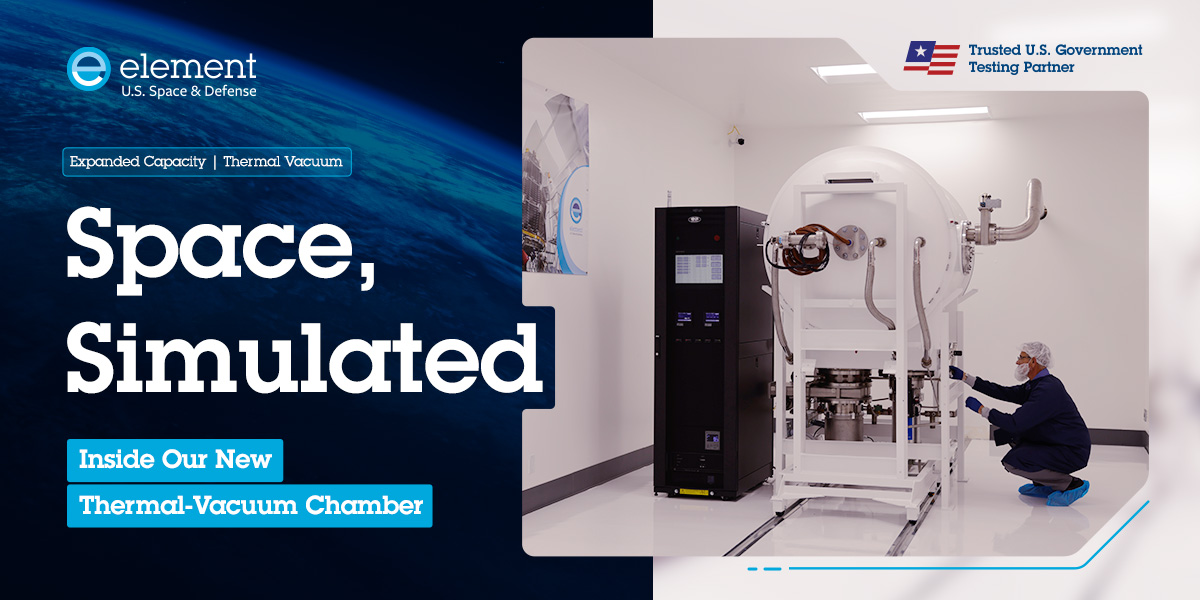
Space and high-altitude environments present extreme challenges, including thermal vacuums, severe vibration, and solar radiation.
We provide these critical testing capabilities across our national network of accredited laboratories, including our Orlando Lab and Fullerton Lab.
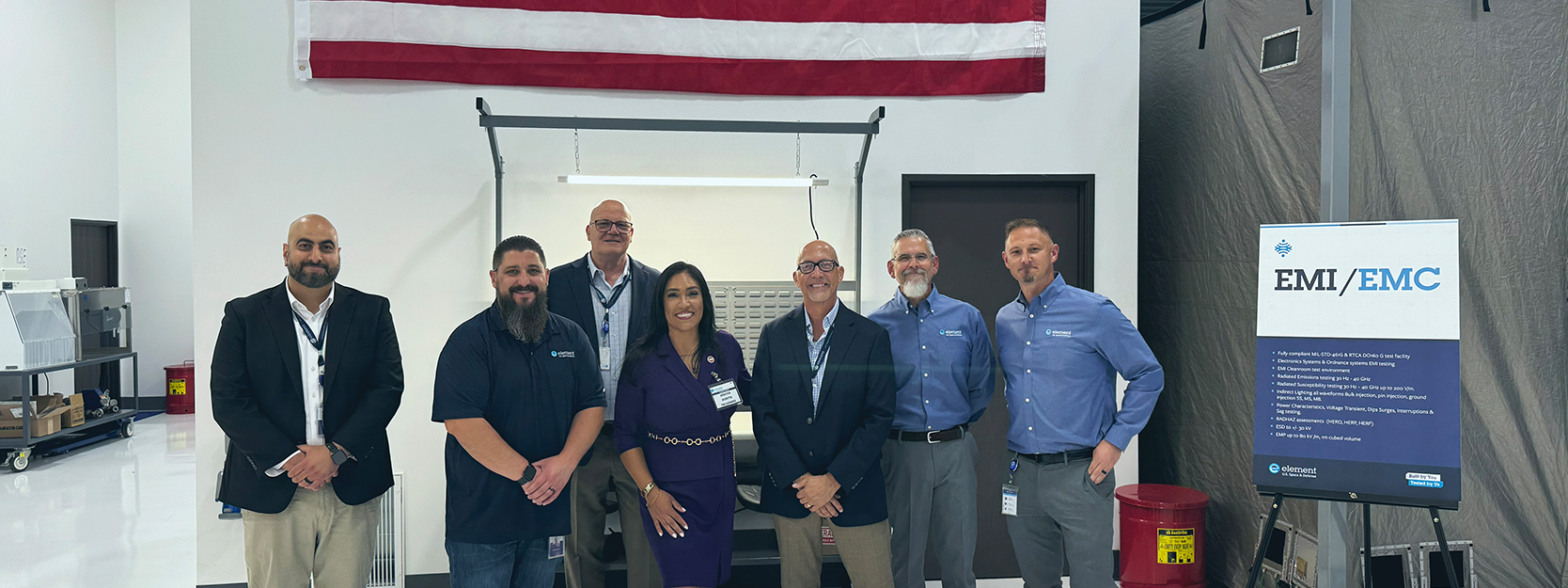
Modern defense systems rely on complex electronics that must operate without causing or suffering from electromagnetic interference. Failing an EMC test late in the qualification process can delay a program by months.
Our labs test to rigorous military and commercial standards, includingMIL-STD-461G. We provide comprehensive EMC testing at key locations, including our Orlando, FL, Santa Clarita, CA and and Fullerton, CA facility.
A successful risk mitigation plan is a living process. It requires establishing a clear risk register, assigning dedicated owners to specific threats, and defining action triggers.
In the defense sector, risk mitigation extends to cybersecurity and regulatory compliance. Achieving CMMC Level 2 certification is now a mandatory requirement for contractors handling Controlled Unclassified Information (CUI). Learn more in our guide to CMMC Level 2 Compliance.
When transitioning your risk mitigation strategy from planning to physical execution, you can Request a Quote to partner with our testing experts.
The risk landscape is dynamic. Continuous monitoring relies on Key Risk Indicators (KRIs)—quantifiable metrics that provide early warning signs of increasing risk exposure. Regularly reviewing your risk register and tracking these metrics ensures your mitigation strategies remain aligned with the evolving needs of your program.
To learn how Element U.S. Space & Defense can support your environmental and EMI/EMC qualification testing, contact our engineering team today.


Accessibility: If you are vision-impaired or have some other impairment covered by the Americans with Disabilities Act or a similar law, and you wish to discuss potential accommodations related to using this website, please contact us at (833) 673-8773