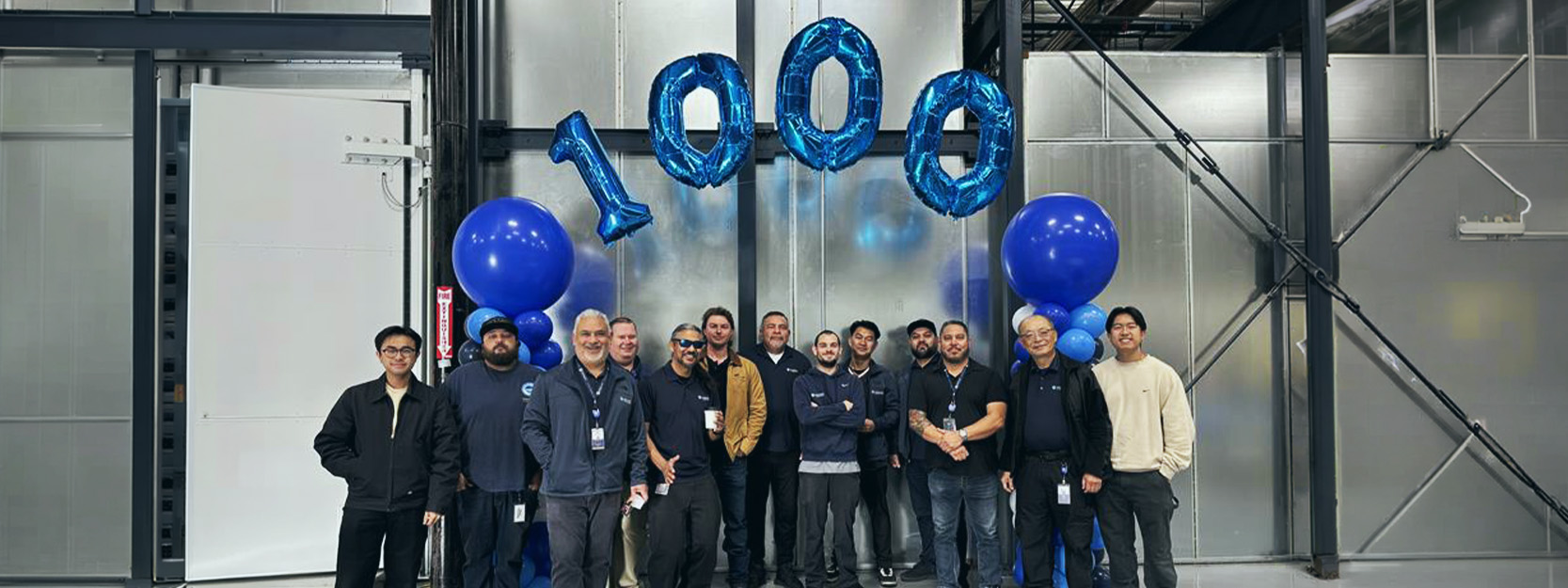
Meta Title: Logistical Efficiency for QualificationMeta Description: Improve logistical efficiency for aerospace qualification with traceable workflows, accredited support, and faster program execution. Contact Element.URL Slug: logistical-efficiency-program-qualificationHero Image Alt Text: Logistical efficiency supporting aerospace hardware movement and program qualification.In-Body Image Alt Text: Coordinated test-article staging demonstrating logistical efficiency at an accredited laboratory.Reviewer Verification List:
In high-consequence aerospace and defense programs, logistical efficiency is the disciplined synchronization of hardware movement, technical data, and compliance workflows required to protect mission readiness. Delays in material flow or test-article handling often disrupt qualification schedules before units even reach the chamber.
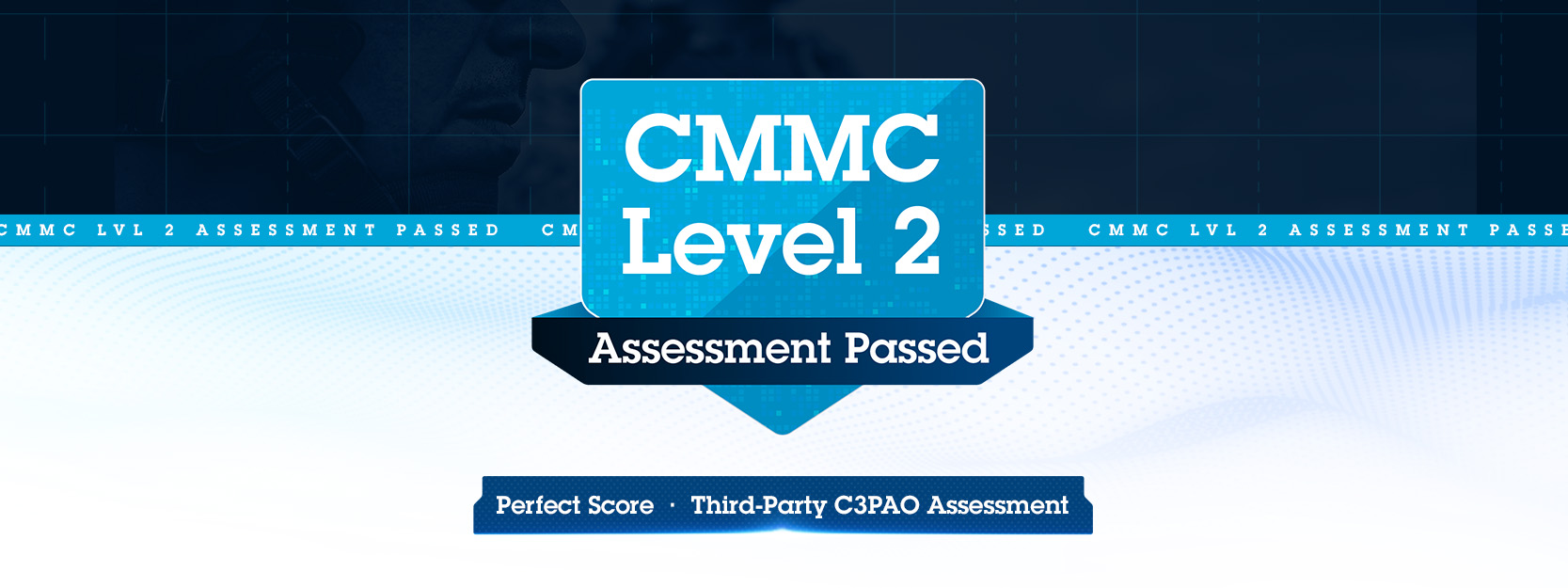
Element U.S. Space & Defense supports these programs through accredited laboratory operations and a national footprint optimized for environmental testing and qualification services. With heritage dating to [VERIFY: 1961], ISO 17025 accreditation, [VERIFY: NVLAP Lab Code 200818-0], and CMMC Level 2 certification, Element U. Space & Defense brings hardware from manufacturing to test with the controls needed for audit-ready qualification. Our framework reduces avoidable delays during receiving, staging, and test preparation, helping engineering teams maintain momentum while preserving strict configuration control. By aligning various factors—such as revision levels, documentation packages, and fixtures—before the test start date, we ensure that engineering resources are focused on generating usable qualification data rather than resolving administrative friction.
Qualification deadlines remain rigid despite supply chain complexities. Achieving logistical efficiency is essential for maintaining the operational flow of satellite systems and tactical hardware through [VERIFY: MIL-STD-810H] and [VERIFY: RTCA/DO-160G] milestones. Element U.S. Space & Defense integrates accredited laboratory workflows with hardware handling and documentation controls to support complex program requirements.
These capabilities preserve technical validity across the full qualification cycle. If a program cannot demonstrate configuration integrity or custody, the resulting data may face scrutiny during customer review. Strong logistical efficiency supports both schedule protection and evidentiary quality.
A strategic laboratory footprint reduces transit exposure and compresses handoff times. Element U.S. Space & Defense’s Orlando, FL laboratory supports environmental and hydraulic testing for satellite hardware, while the Fullerton, CA site provides EMI/EMC testing and dynamics testing capabilities for the most secure space & defense programs.
The Camden, AR facility supports hazardous and munitions-related test activity, including specialized handling for energetic materials. This distributed network allows teams to position hardware close to required test resources, reducing unnecessary transportation steps and improving readiness for qualification starts. By maintaining consistent processes and accreditation standards across all sites, Element supports logistical efficiency when test articles move between manufacturing locations and specialized laboratories.
A broader geographic footprint also supports practical contingency planning. If schedules shift or availability changes, proximity to multiple locations simplifies coordination. Programs can reduce excess shipping cycles, limit packaging events, and maintain momentum as the test unit advances through different qualification phases. This network approach allows teams to align capabilities to program needs while preserving consistent documentation and handling practices.
For program managers, logistical efficiency translates into schedule confidence and audit defensibility. When hardware arrives at an accredited laboratory with verified configuration and complete documentation, qualification can begin with fewer rework cycles. This is critical for programs working to [VERIFY: MIL-STD-810H] or [VERIFY: RTCA/DO-160G], where documentation gaps can delay the acceptance of results.
Accredited results from an ISO 17025 laboratory with [VERIFY: NVLAP recognition under Lab Code 200818-0] provide the evidentiary support required for certification and procurement. Disciplined workflows, such as serialized receiving and configuration-controlled staging, strengthen the qualification package and reduce administrative friction. Broader supply-chain coordination principles that support these outcomes are also discussed in research published through ScienceDirect.
In high-consequence defense and aerospace applications, qualification evidence informs deployment decisions and future production planning. Logistical efficiency directly affects how quickly a program moves from manufactured hardware to accepted results. A controlled, traceable process reduces uncertainty, improves coordination across multi-disciplinary teams, and supports faster decision-making when schedules are compressed.
At Element U.S. Space & Defense, logistical efficiency is an operational requirement for successful qualification. Through accredited laboratories, secure handling, and a national test network, Element supports the movement of hardware from receipt to reporting with the control complex programs demand. To learn how Element U.S. Space & Defense can support your logistical efficiency and program qualification requirements, contact our engineering team today.


Accessibility: If you are vision-impaired or have some other impairment covered by the Americans with Disabilities Act or a similar law, and you wish to discuss potential accommodations related to using this website, please contact us at (833) 673-8773